 Radio Estudio Radio Estudio Online Villa Maria – Argentina
«The combination, I know it probably sounds crazy when I describe it, but it’s literally like drinking boba tea because it’s chewy and fun,» she said. «It’s the easiest possible way to get 5 grams of fiber injected into your day.» She prepares ceremonial-grade matcha with non-dairy milk and mixes in about a tablespoon of chia seeds, which add protein, fiber, and omega-3s and can also help with appetite control. In the winter, she makes hot chocolate with CocoaVia, a cocoa supplement infused with flavanols, which have been shown to have some heart and brain health benefits. She mixes the powder with non-dairy milk and a small amount of sweetener.
Dark Green Vegetables
Consuming mushrooms may positively influence your blood sugar, help prevent gastrointestinal diseases and even protect against some types of cancer. Nourishing your gut can be a gentle and supportive way to help maintain healthy iron levels. SCFAs may also support immune regulation through epigenetic mechanisms, including the inhibition of histone deacetylases (HDACs). That matters because these pathways can influence how certain immune cells develop and behave, including helping keep inflammatory activity in check while supporting regulatory immune functions. Supporting gut health therefore requires moving beyond symptom suppression and toward understanding how the digestive system is functioning as a whole.
How much fiber do you need daily?
They’re also a good source of vitamins and minerals, including vitamin K and manganese. Sauerkraut is a tangy, fermented cabbage dish that’s packed with probiotics and fiber, making it excellent for gut health. It aids digestion, supports a healthy microbiome, and provides a dose of vitamin C and K. Kimchi, a staple in Korean cuisine, is made from fermented vegetables like cabbage and radishes, seasoned with spices.
What are forever chemicals?
- Oats are one of the best prebiotic foods to quickly impact your gut’s health.
- So, does fermentation boost the health effects of certain foods and beverages?
- This separation reduces unnecessary immune activation and supports a calmer baseline environment.
- Frozen, dried or canned products with no or very limited added sugars «can also be good options,» according to the fact sheet.
- Avocado oil offers these same benefits, giving you another way to reap the food’s inflammation-busting benefits.
- Try our Sauerkraut & Sausage Casserole for a warm, comforting meal any night of the week.
On the flip side, eating certain foods can also worsen gut health. Yogurt is a powerhouse for gut health, packed with live probiotics that help maintain a healthy balance of gut bacteria. These beneficial bacteria can improve digestion, boost immunity, and even enhance nutrient absorption. Opt for plain, unsweetened yogurt with active cultures to maximize its gut-friendly benefits. Cabbage is also a prebiotic, which makes kimchi both pre- and probiotic. Beneficial gut bacteria also produce short-chain fatty acids, which help maintain the gut lining and support a healthy inflammatory response.
How ultra-processed foods affect your gut
In reality, your gut is a living system that responds to what you eat day after day. While cleanses and specialty products may sound appealing, they don’t address the habits that shape your gut health in the first place. Polysaccharides protect your body’s cells from external diseases and promote overall gut health by boosting the bacteria that are already there.
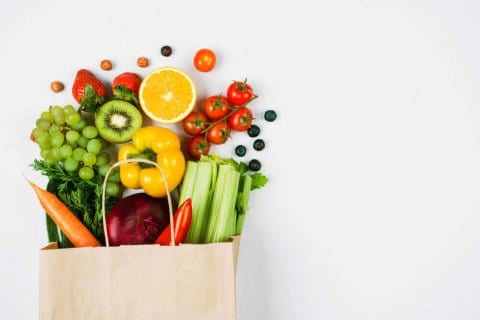
soluble fiber–rich foods to add to your daily diet
Regularly consuming whole grains and dietary fiber is linked to more beneficial bacteria in the gut. Whether pureed into a savory tomato sauce or tossed in a salad, tomatoes are an anti-inflammatory food worth adding to your recipes. The juicy red orbs contain lycopene, a powerful antioxidant that controls inflammation by reducing the formation of pro-inflammatory molecules in the body. «Tomatoes are also rich in vitamin C, potassium, and beta-carotene, all of which help fight inflammation and prevent disease as well,» says Salazar. For a generous boost of anti-inflammatory nutrients, eat more leafy greens like spinach, kale, and arugula.
Other tips to improve gut health
Ginger contains gingerol, which may help you better digest food and has anti-inflammatory properties. “Researchers even found that participants who drank ginger juice had altered gut microbiota,” says Ehsani. Whether you prefer blueberries, strawberries, or raspberries (or more exotic berries like lingonberries), they can all be part of https://aanmc.org/naturopathic-medicine/holistic-nutrition-overview/ a gut-healthy diet. It also pairs well with roasted meats or as a tangy topping for salads. Just make sure to choose raw, unpasteurized sauerkraut to retain its probiotic benefits.
Along with bananas, apples are “definitely a good fruit for gut health,” Dr. Bedford noted, thanks to the fiber and prebiotics they contain. A Prevention writer (and dietitian) ate an apple every day to see what it did to her body, and the results included gastrointestinal improvements. Swap out toxic cookware, storage, and furniture — If you’re still using nonstick pans or reheating food in plastic containers, your gut bacteria are under constant attack. Flame retardants, plastic softeners and bisphenol A (BPA)-like chemicals leach into your food and air, disrupting microbial balance even at low doses.
Kefir
Focusing on unimeal app a healthy lifestyle by managing stress and engaging in moderate-intensity exercise are essential in promoting gut health. Improving your gut health can begin with one of your favorite breakfasts. Oats are one of the best prebiotic foods to quickly impact your gut’s health.
When are probiotics recommended?
From nonstick pans and flame-resistant furniture to produce sprayed with pesticides, these chemicals are deeply embedded in your environment. Once these chemicals enter your body, they interact with your gut bacteria, disrupting the delicate balance in your microbiome and encouraging antibiotic resistance. Kombucha is made with a base of green tea, which already boasts loads of antioxidant compounds and may even contribute to reduced risk of cancer and metabolic disease.
Fermented Foods for Gut Health That Will Improve Your Mood in the New Year
Soluble fiber slows down digestion and allows better absorption of nutrients. As it absorbs water, it forms a gel-like structure that softens stool and makes bowel movements easier. Research published in Current Atherosclerosis Reports shows that soluble fiber can lower LDL (bad) cholesterol by reducing its absorption in the bloodstream. It also helps you feel full for longer, which may support weight control when paired with a balanced diet.
